
What Homeowners Should Know Before Starting ADU Home Construction
Building a backyard home or Accessory Dwelling Unit (ADU) is a great way to get more living space. These small homes can give family members a place to live or bring in monthly rent money. However, turning a simple idea into a finished building takes real planning. This project requires good building knowledge and clear steps from start to finish. Homeowners must follow local city rules and set a clear budget. You must also prepare the ground before any building starts. Proper ADU planning helps you avoid slow city approvals and extra costs.
What Are the State and Local Zoning Laws for Your ADU Layout?
Before you pay for building plans, check the rules for your specific lot. City laws set the height, total size, and location for your small home. Most cities make you leave space between the new building and your property lines. Backyard homes usually need a four-foot gap from the back and side lines. These local rules change based on your yard size. Total square footage depends on the size of your main house or your whole lot. For example, separate backyard homes often cap out at 1,200 square feet. Connected homes are often limited to half the size of the main house. One-story homes are usually easy to get approved. These are often capped between 16 and 18 feet high. If you want a two-story building, you will face tougher rules. You must place windows carefully so you do not look into the next yard.
Are you unsure if your electrical panel can support a secondary unit?
[Schedule a Site Inspection Today]
How to Build a Comprehensive ADU Construction Budget?
Making a solid money plan keeps your project moving forward. Homeowners often look only at material and labor costs. This causes them to miss extra fees that change the total cost. For instance, city building offices charge money to check your plans and give you permits. These office fees add thousands of dollars to your starting budget. Your new home also needs its own plumbing, power, and heat. Hooking these to your main house requires digging trenches and laying heavy pipes. You might need to upgrade your main electrical panel to handle the extra load. Furthermore, sloped yards or big tree roots require extra dirt work. Poor soil conditions also mean you need professional help. Moving dirt gives you a flat foundation but adds extra costs upfront.
Should You Choose an Attached or a Detached ADU Configuration?
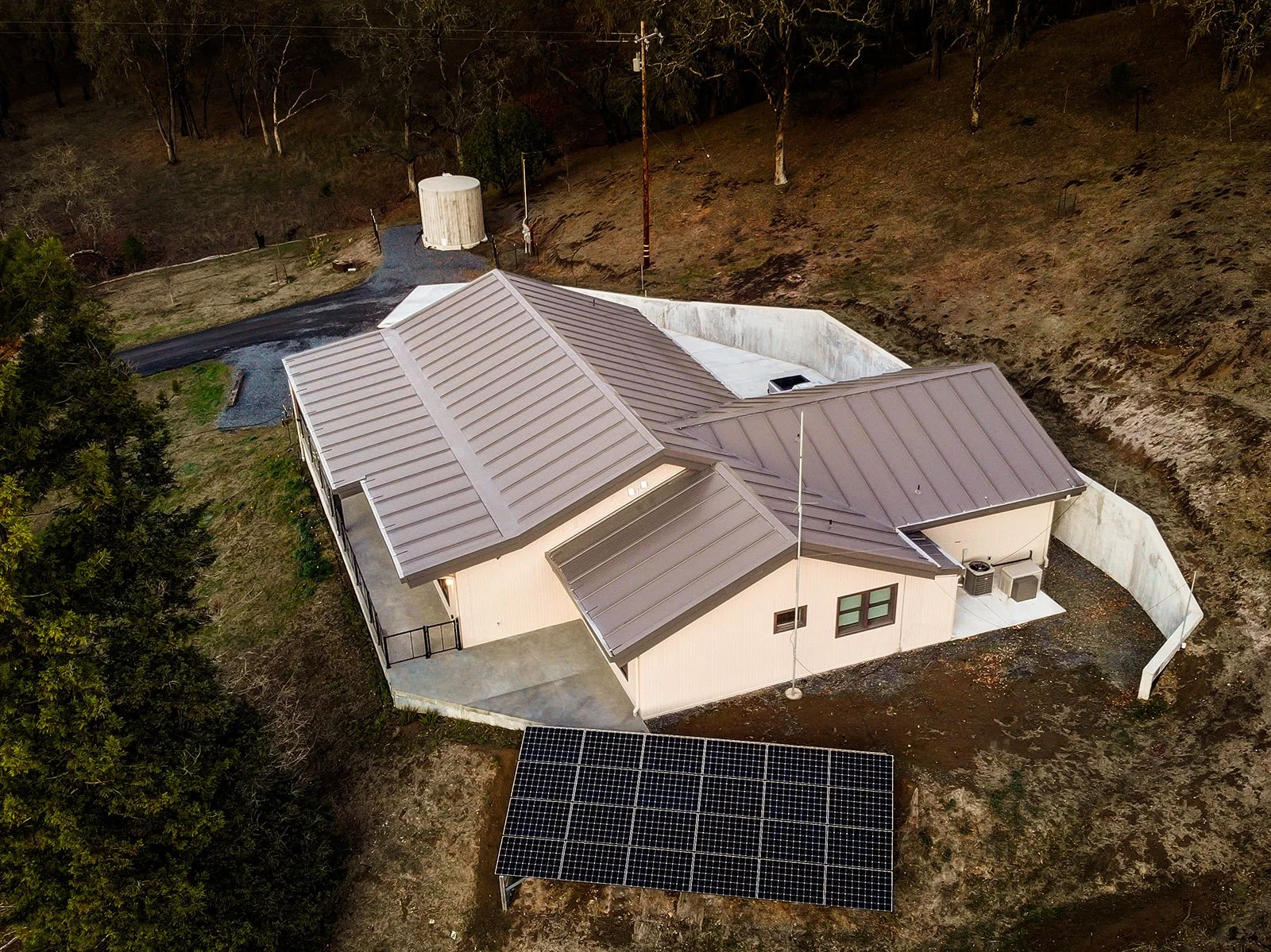
The type of small home you choose changes your privacy and yard space. It also changes how the team builds the structure. Both choices offer good options depending on your goals. A standalone building sits completely away from the main house. This setup gives the most privacy to renters or family members. It cuts down on noise and lets you pick a unique style. However, this choice requires more yard work and longer utility trenches. Building an addition onto your main house requires less ground prep. Turning a garage into a living space also offers a faster setup. These choices let you connect straight to existing walls and utility lines. This path means less digging in the yard. Connected builds need good soundproofing so both spaces stay quiet. This layout works well when you add it to broader home remodeling plans for your property.
How to Manage ADU Site Infrastructure and Utility Logistics?
Your new unit must work as a complete home with its own utility pathways. Hooking these lines to the street or main house requires exact digging and planning. Most home power panels give 100 to 200 amps. Adding a second home with appliances can push your power needs past safe limits. You may need a 400-amp panel to run both homes safely. Waste pipes must slope downward so water moves by gravity. If your backyard sits lower than the street sewer line, you will have drainage problems. You must install a waste pump to push water uphill. Additionally, running air ducts from the main house is rarely a good option. Installing a small, separate wall unit gives the new space its own easy heat and air.
Is Custom Architecture or a Prefab Design Right for Your ADU?
How you design the home sets your building timeline. It also changes how much mess is in your yard. Homeowners must balance custom choices against matching parts that go up fast. A traditional building on your lot gives you total freedom. You can match the roof style and paint of your main house exactly. This choice works well for odd yard shapes. However, this path means workers spend more time in your yard. On the other hand, companies build prefabricated units inside large factories. Then, trucks deliver them to your lot. This choice means less noise and dust in your yard. Factory options require big crane access over your house and need fast upfront payments.
What Is the Process for Securing Local ADU Building Permits?
Getting legal building permits takes time and involves many city offices. Starting your build without approved plans leads to fines and stopped work. You must hand in exact blueprints and structural math papers. You also need state energy forms and a yard map showing your utility lines. Your plans go to the planning, building, and health offices. Each group checks for safety. They look for fire-safe walls near property lines and good exit windows in bedrooms. City offices usually give you a list of items to change. Leaving time for these fixes prevents long delays before your builder starts ADU building & planning in Santa Rosa. Good materials cut repair bills. Fiber-cement siding blocks rot and fire while holding paint well. Inside, luxury vinyl planks and thick tile stop water damage and scratches. High-grade insulation lowers energy bills and blocks sound between homes.
Final Thoughts
Strategic ADU planning is the best way to ensure a smooth building project. By checking city rules and finding hidden site needs early, you avoid bad delays. Choosing a great layout and tough materials ensures your home lasts a long time. Working with an experienced local builder helps you handle tough city permits and yard setup with peace of mind. At Dan Boyle Construction, proper preparation protects your money and adds long-term value and comfort to your property.
Ready to transform your property with a professionally built accessory unit?
FAQs
What are the primary legal requirements for ADU planning?
Successful ADU planning requires following the local city zoning and building codes. Homeowners must get approved building permits from the city before pouring any concrete foundation. Working with an experienced contractor like Dan Boyle Construction ensures your plans match local fire safety and engineering rules from day one.
How long does the typical ADU building process take from start to finish?
The whole timeline usually takes six to twelve months, depending on your plans and city speed. The design and city permit phase takes two to five months. The actual ADU construction in Santa Rosa takes four to seven months of active yard work.
Can I convert my existing detached garage into a legal living space?
Yes, turning a garage into a home is a fast way to build because you use an old foundation. This type of Santa Rosa construction project requires fixing the concrete floor and adding water barriers. You must insulate the walls to bring the building up to modern living codes.
How do utility connections work for a new backyard unit?
New units must hook straight to main utility lines, which means digging deep trenches across your yard. These trenches let you hook into your main water and waste pipes. For power, your builder will connect to your main home panel or talk to the power company to set up a new meter.
What financing options are available for an ADU build?
Getting money for your build requires checking home equity lines, bank refinancing, or special building loans. Most banks look at your current home value and future rent money to see how much you can borrow. Talking about your money plans with Dan Boyle Construction ensures your budget matches your loan choice before you pay for designs.
